Post-Modernism as a Depersonalization/Derealization Crisis

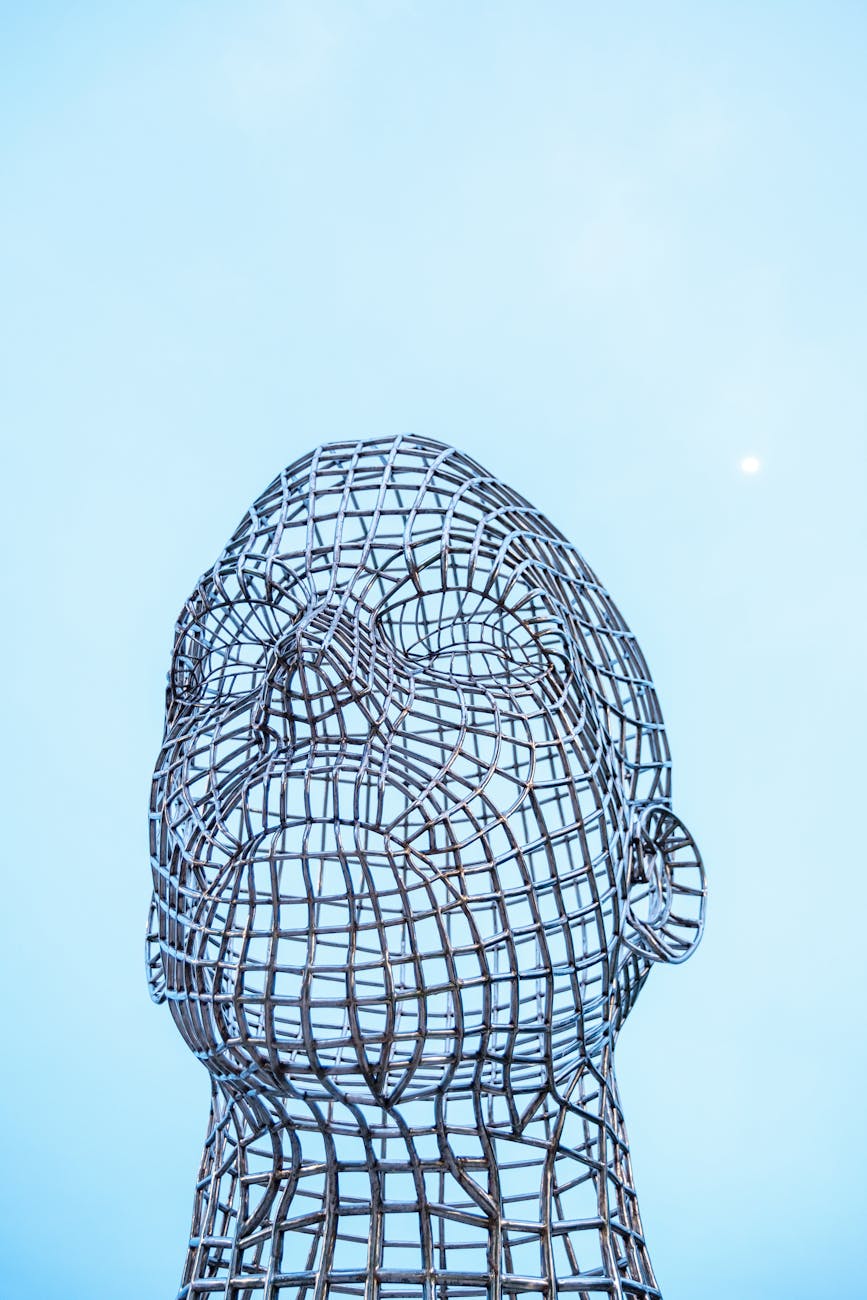
Photo by TBD Tuyu00ean on Pexels.com

Between the idea
And the Reality
Between the motion
And the act
Falls the Shadow

From “The Hollow Men,” by TS Eliot

I notice that I share a fundamental starting assumption with post-modernism – the realization that everything is a story, and the impossibility of obtaining “positive certainty” about the full nature of anything.

Even the factual things people do manage to measure with precision are already fictional distinctions premised on limited assumptions. We imagine different ways of separating and measuring what is otherwise an infinite but unrealized potential, the so-called Void.

And I understand (but don’t share) their tendency to make no distinction between thought and thing, because the “thing” is also a thought. Everything we know is put together by narrative – it’s all a fiction. Peering through the post-modern lens, everything, in other words, is just language. From this angle there is no reality beyond language, or no meaning beyond what language ascribes.

There is insight here, but there is also a very subtle blunder. It’s the same one I made as a teenager when I fell into a depersonalization/derealization crisis, which is a terrifying physical and psychological conviction that nothing is real.

Here’s what this post-modern insight misses: If all conclusive meaning (Truth or Reality) is fictional, then this information itself – this negative discovery – is an example of an insight that is non-fictional, non-linguistic. “Truth” doesn’t disappear, but changes at this juncture from positive certainty to negative discovery. Truth changes shape but doesn’t disappear.

Read More »

The Immaterial Origins of Life and Intelligence: an imaginary interview

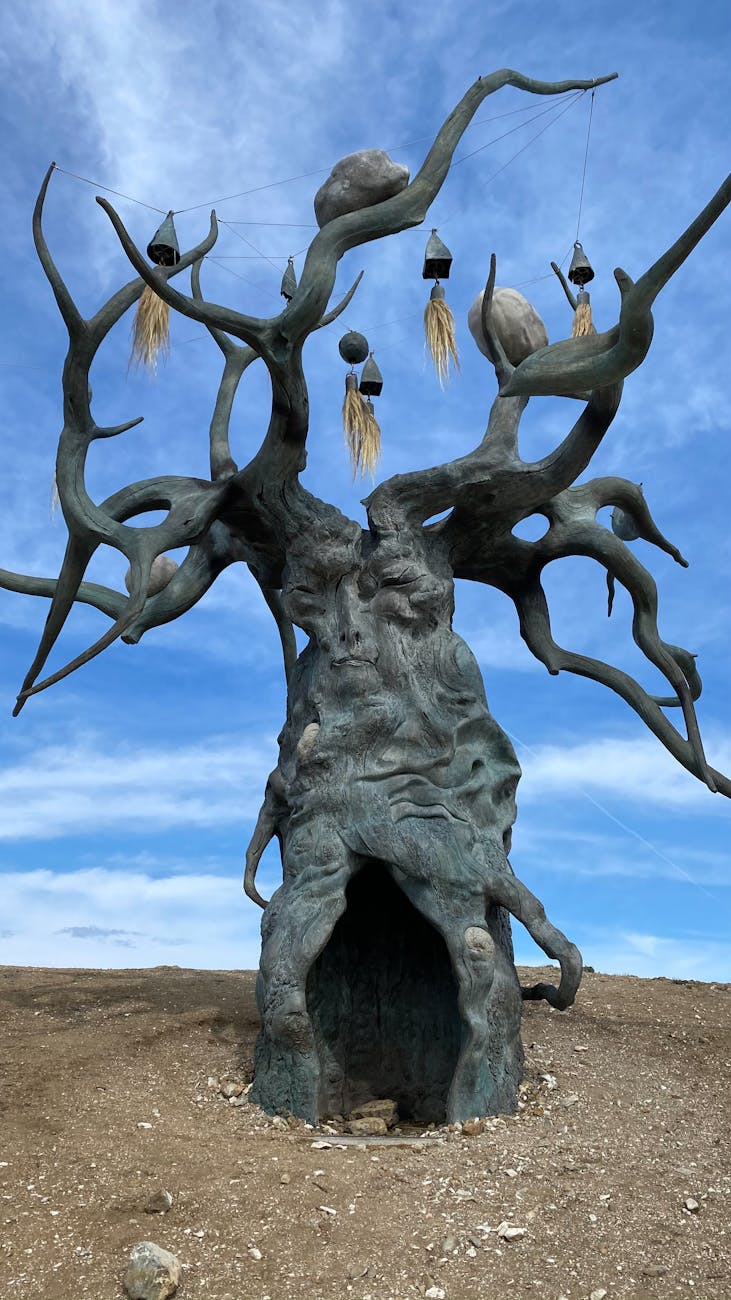
Photo by Steve A Johnson on Pexels.com

Is the Self an illusion?

On one level I’d say no, because the Self is merely the means by which the body refers to itself. So the Self isn’t delusional from that perspective, because the word and image are grounded in a real referent (the body). However, this projection of a bodily image quickly morphs into a sense of Self that controls the body, or is trapped within the body, as if it were a spirit or separate entity. This is where the illusion starts.

The brain tends to be imagined as a seat of consciousness (also semi-independent from the rest of the body) – wobbling up there like a big, fat turkey on a telephone pole. But this image of a body/brain dichotomy easily morphs into a projection of an even more independent-seeming “mind” drifting above the body like a balloon on a long string. And this “mind” tends to become a synonym for the Self, which sits at its desk behind the eyes and acts like a CEO of the in-corporation, or an overlord of sorts. The varieties of imagery are endless. And even among atheists, this Self tends to take on the qualities of a “soul” as well, a lively essence possessing or inhabiting the body.

But these are not minds, Selves or souls, but merely images — masks that have lured this bodily intelligence into dreams of an autonomous existence over and above the comparatively material level of biology. They are deceptive illusions of minds and souls, illusions of identity.
Read More »

Starving the Tree of Racism or Reparations on a Psychological Level: How Seemingly Moral Values and Beliefs Feed Racism

Photo by Nadezhda Moryak on Pexels.com

“We know the predator. We see them feed on us. We are aware to starve the beast is our destiny.”
— John Trudell

Preface: The Roots of Racism are the Roots of Empire

Dear fellow white men, but I hope others stick around as a Greek chorus.

An honest recognition of this culture’s history of treachery, kidnapping, torture, and murder is needed to read this. 

Yes, every empire has been racist and murderous.

However, our own empire is not yet history. And ours has become more destructive than any previous empire, because it coincided with the development of new technologies of control. And this gives our own brutalities more destructive force on a global scale, compared with other violent organizations of the past, such as the Roman Empire. 

So, even though this is a human problem, the hypocrisy of my “own” people (our conviction that we’re the good guys no matter what history has to say) is the particular expression or surface bark on this trunk of human suffering, through which we need to start drilling, in order to reach the wider roots of the problem. 

So, I start by the simple and now seemingly obvious confession that America has not been a “good guy”, like white people wished to believe. 

It’s easy to blame MAGA for their loyalty to a corrupt system (and I’ve done that in several essays). But I’m talking to white men (to myself primarily). If we wish to confront the roots of racism in ourselves, then we can’t merely blame the overt racists.

It’s not only Maga that has helped perpetuate a racist power dynamic and empire. The liberal establishment (the Democratic Party in particular) blames MAGA too easily and doesn’t look deeply enough in the mirror. There’s a contempt for the “ignorant working class” that distracts us from noticing our own forms of collusion. 

Both liberal and MAGA elements of society show different forms of allegiance to the corrupt organization of empire. The one gives its bodies, its muscle, its enforcement; the other works to interrupt the formation of a peasant-wide coalition that would bring the whole Epstein class down.

Read More »

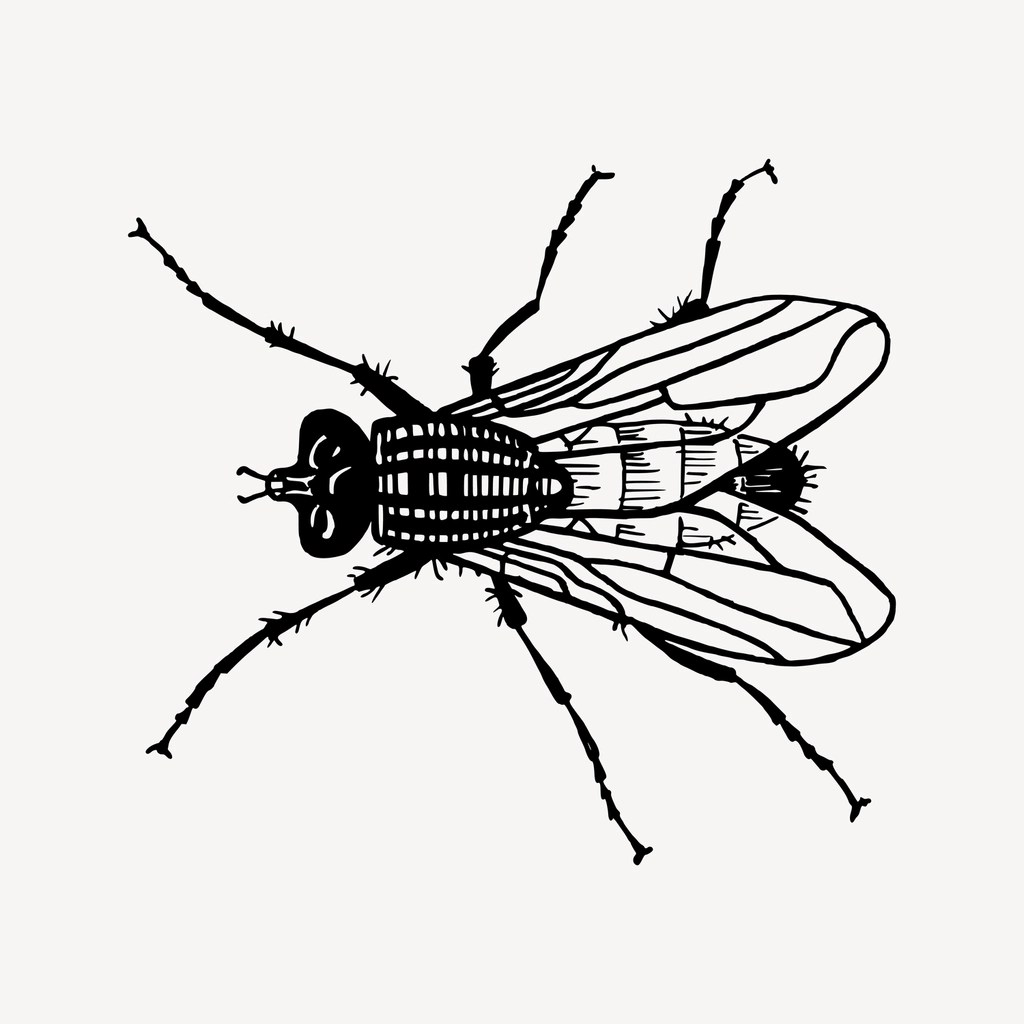
A Fly Fable (Which Includes the Amoral of the Story)

Audio Recording of Fly Fable:

Act 1

Eugene yawned. He dreaded another day of banging his head against the glass.

His friend Leslie, however, was eager to get started.

“Yesterday that precocious young fly Skip said he felt the glass in the upper pane softening a little. Let’s get cracking! Today’s the day, I can feel it.”

Eugene stretched his wings and nibbled on sun-dried bacteria. “I’ll be there in a minute.”

Most of the flies stuck between the storm window and the regular window were already banging away.

Eugene stretched his wing again.

His world measured approximately 64 inches by 26 inches by 5 inches. The majority of flies were banging on the glass facing the interior of the house, and not on the storm window to the outside. That’s because the curtains in the little shack were usually closed, which made the interior window into a weak mirror reflecting the trees and fields across the road. And that’s where they wanted to go.

And all memory of night, when they had banged away on the storm window facing the dark fields and trees, had by then faded into legend.

“Eugene thinks he can sit there all day and reap the benefits of our hard work!” a fly named Bixby complained, when he saw Eugene slowly crawling his way towards them.

“Yeh, but guys, how many generations of flies have been trying to get out of this window?” Eugene said, looking down again at the piles of corpses on the sill.

“Oh, listen to Mr doom and gloom!” Bixby said. “Legend has it that a fly named Boris flew out this very window and into those yonder trees!” Bixby shifted a wing to point at a shimmering mirage of a tree. “So how’d he do it? Not by moaning, but by banging that’s how.”Read More »

Direct and Indirect Meaning (Being and Constructing)

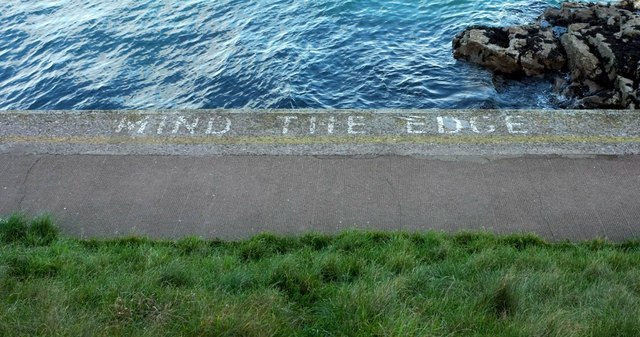
Mind the edge, Brixham by Derek Harper is licensed under CC-BY-SA 2.0

The first 14 essays tried to “come to terms” with the limitations of language. By extension this included all of thought and imagination – the whole category of construct-making.

How can we discover the “limitations” of something that covers the whole of experience? An all-enveloping fluid from which we can’t leap free, like lucky fish?

In Part II of “Imagine the Limits of the Imagination” I suggested that this can be done by considering the category of “odd words”:

The Three Oddest Words

When I pronounce the word Future,
the first syllable already belongs to the past.

When I pronounce the word Silence,
I destroy it.

When I pronounce the word Nothing,
I make something no nonbeing can hold.
— Wislawa Szymborska

Read More »