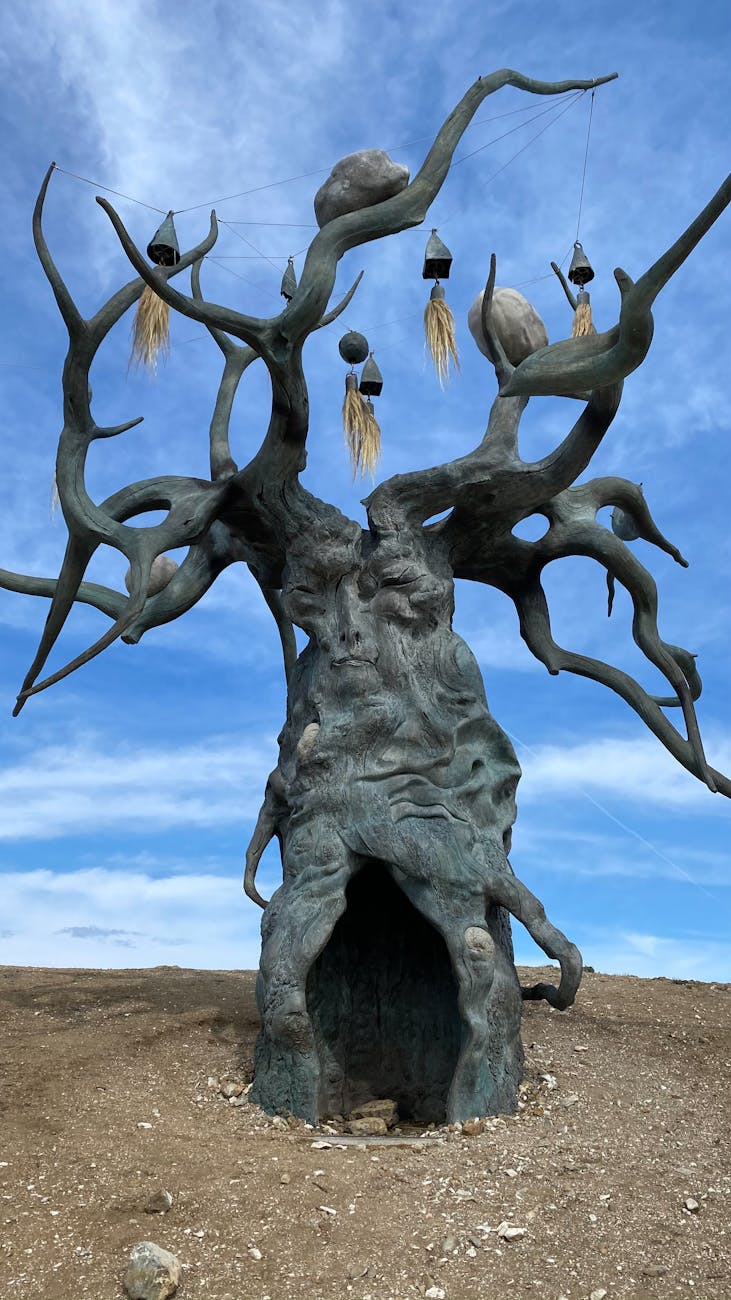
Starving the Tree of Racism or Reparations on a Psychological Level: How Seemingly Moral Values and Beliefs Feed Racism

Photo by Nadezhda Moryak on Pexels.com

“We know the predator. We see them feed on us. We are aware to starve the beast is our destiny.”
— John Trudell

Dear fellow white men, but I hope others stick around as a Greek chorus.

An honest recognition of this culture’s history of treachery, kidnapping, torture, and murder is needed to read this. 

However, that doesn’t mean that white men can claim a supremacy here — as if we were a supreme example of human violence and domination. Every empire is racist or murderous.

However, our own empire is not yet history. And ours has become more destructive than any previous empire, because it coincided with the development of new technologies of control. And this gives our own brutalities more destructive force on a global scale, compared with other violent organizations of the past, such as the Roman Empire. 

So, even though this is a human problem, the hypocrisy of my “own” people (our conviction that we’re the good guys no matter what history has to say) is the particular expression or surface bark on this trunk of human suffering, through which we need to start drilling, in order to reach the common roots of the problem. 

So, I start by the simple and now seemingly obvious confession that America has not been a “good guy”, like white people believed. We are like all empires, a sociopathic institution that is more concerned with maintaining its position of power, and was not often a light unto the world, as white people have been led to believe.

The “citizens” (or subjects) of every empire are blackmailed pawns in service to the crime syndicate of the military industrial complex. So, they are also perpetrators (administrators and soldiers) of empire. They are both victims and perpetrators. The self-righteous anger felt by any victim is manipulated by forces of carrots and sticks into serving the very power that subjugates them.

It’s easy to blame MAGA for their loyalty to a corrupt system. But the liberal establishment blames MAGA far too much, because then they don’t have to look in the mirror. Their contempt for the “ignorant working class” distracts them from noticing their own forms of collusion. The denigration of deplorable, white working-class voters is itself a form of supremacy, which prevents a coalition of white-collar and blue-collar from forming, thus protecting the empire from any true rebellion.

In other words, it’s not just MAGA who have misdirected their slings and arrows at fellow peasants, rather than aiming them at “the Epstein class”. The liberal management class does this in blaming the stupidity of the MAGA class. Both liberal and MAGA elements of society merely show different forms of allegiance to the corrupt organization of empire. The one gives its bodies, its muscle, its enforcement; the other works to interrupt the formation of a peasant-wide coalition that would bring the whole thing down.

Furthermore, the liberals still show allegiance to the system itself, from which they derive status and money. And the conservatives still show allegiance to Might as Righteousness, from which they derive purpose, place and power as servants. So, even if we all managed to quit going at one another’s throats and turned the pitchforks towards the Epstein Class, our own colluding tendencies would end up leading to a similar system of supremacy and racist empire, without deeper introspection. 

Read More »

Extinction and Responsibility: Why Climate Disaster Might Heal Us Even As it Kills Us

earth

This appeared on Counterpunch.

Alice O’keeffe: “Even if we can’t escape its consequences, it is not too late to escape the mindset that brought us here.”

If climate disaster has left us with no future do we still feel responsible to the earth that outlives us? Or do we say “who cares?”

If we say “who cares?” then our sense of responsibility was never anything more than a moral rule, a business deal of sorts, where we agreed to behave honorably as long as we were allowed to project our egos into future generations. But I think real empathy for a world without us is still possible, and I think it matters in some way that can’t be calculated on a strictly transactional basis.

The possibility of near-term extinction is new, but the underlying dilemma this presents is as old as the Big Bang, or older. Death is death. It comes to the individual as surely as it comes to the species, the planet, and the exploding universe itself. What’s different now is only this onrushing inability to avoid facing this fact. And I think this is a good thing, because it forces a confrontation with the many reductive delusions that have limited our creative participation in the world, which is our responsibility to something more than ourselves. The chief among these limitations has been a strict and too literal image of who we are, an identity that keeps us trapped in a solipsistic circle.Read More »