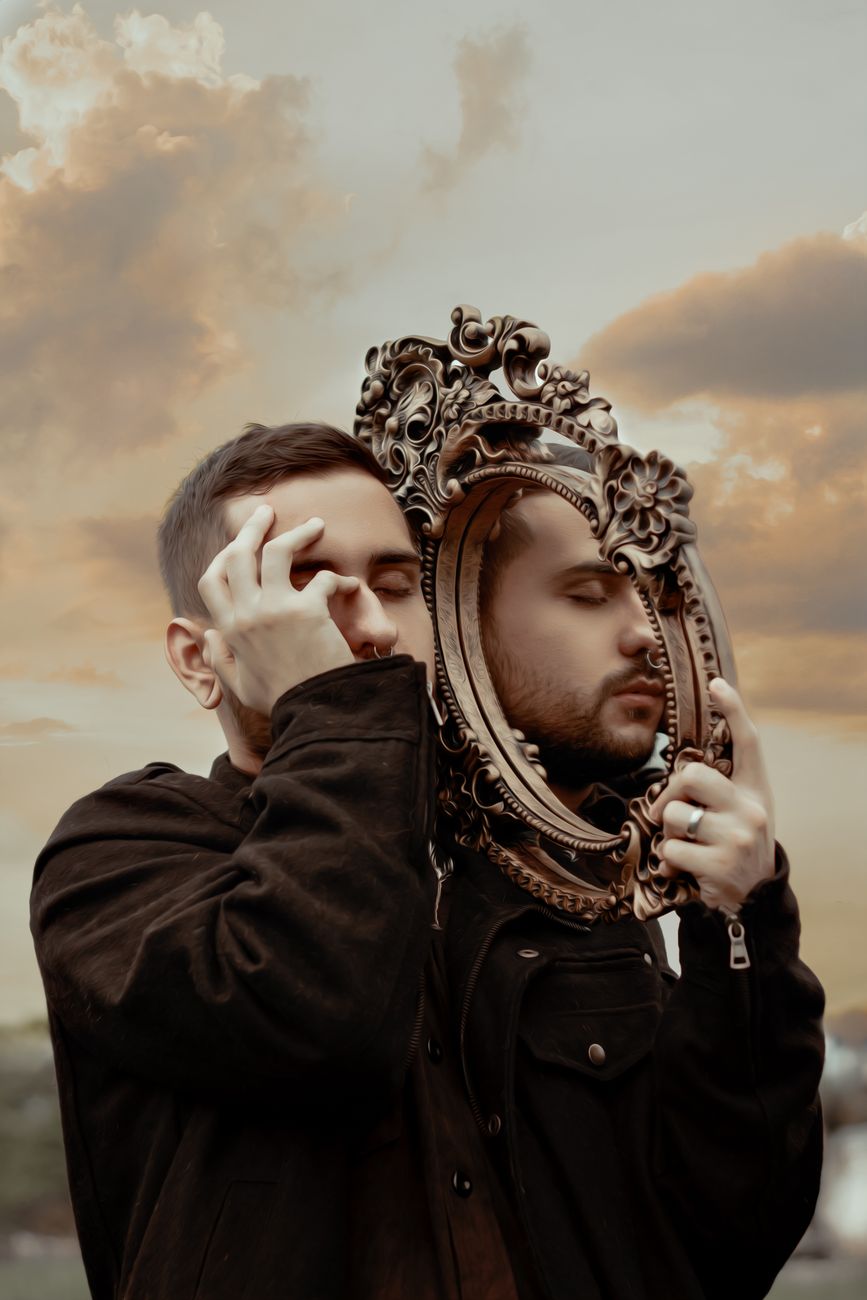
In writing the story “Jackal“, I way was finally found to describe the solipsistic trap into which I fell as a 13-year-old. It’s odd that I was unable to ever explain or describe the terror of that predicament until I finally let a “character” who is not me embody it for himself.
Until now, I’ve been hesitant to attempt anything that comes this close to the actual terror itself. When I was 13, I hesitantly tried to describe this predicament to my mother and older siblings. But I could feel them dissolving into distance as I spoke, because their own empathy prevented them from confronting such an unreachable and ludicrous pain in someone they cared for.
But it was also partially that I myself withdrew from them, because I could not want anyone (especially them) to feel a horror of that sort. So, all I could feel in trying to reach for help, was a widening cavern in our relationship.
And what good would it do them or me? It would only ruin them too. It was impossible to want anyone to feel such terror. And I couldn’t make sense of it anyways.
But now, I have an incentive, because the trap is sprung. I got through it, and I see that this solipsistic problem — which most dismiss as an absurdly selfish perspective — is the secret terror underlying the whole human culture, at least from a certain slant of light (an insight into delusion, not a Truth about the nature of reality itself, which is left open-ended).
The problem of distinguishing AI virtuality from reality itself (whatever that may be), is only the tip of the iceberg. It’s only the first profound symptom of this secret terror. But solipsism (or the “conviction” that nothing is real, only this unnamable point of suffering called “me”) is a corrosive force that doesn’t necessarily lead to terror, but more often to a kind of numbing disinterest in our own survival — a depersonalization and derealization crisis, which severs our trust in reality, and our love for the earth and its creatures, which includes ourselves. The human world is suffering a kind of indifference to its own survival, which is a direct symptom of this secret solipsism.
I’m not trying to be an activist, exactly, or savior of some kind. But if you begin to emerge from a virus of the mind and recognize the symptoms in everyone around you, or at least in the broader culture, the empathetic instinct is to offer whatever assistance you can provide. Not assistance, exactly. But a small note in a healing frequency flung into the dark, which can linger beyond one’s own life, and join the other small voices singing in a similar healing frequency — the sound of a new world emerging from the chaos of the present day. This sounds overblown, I’m sure, to a contemporary ear. But not everyone out there is a “contemporary.” I know I’m not alone anymore. I know “aloneness” (or independence) is as much an illusion as any premature vision of idealistic harmony. The resolution is far stranger than what we call harmony.
Read More »
