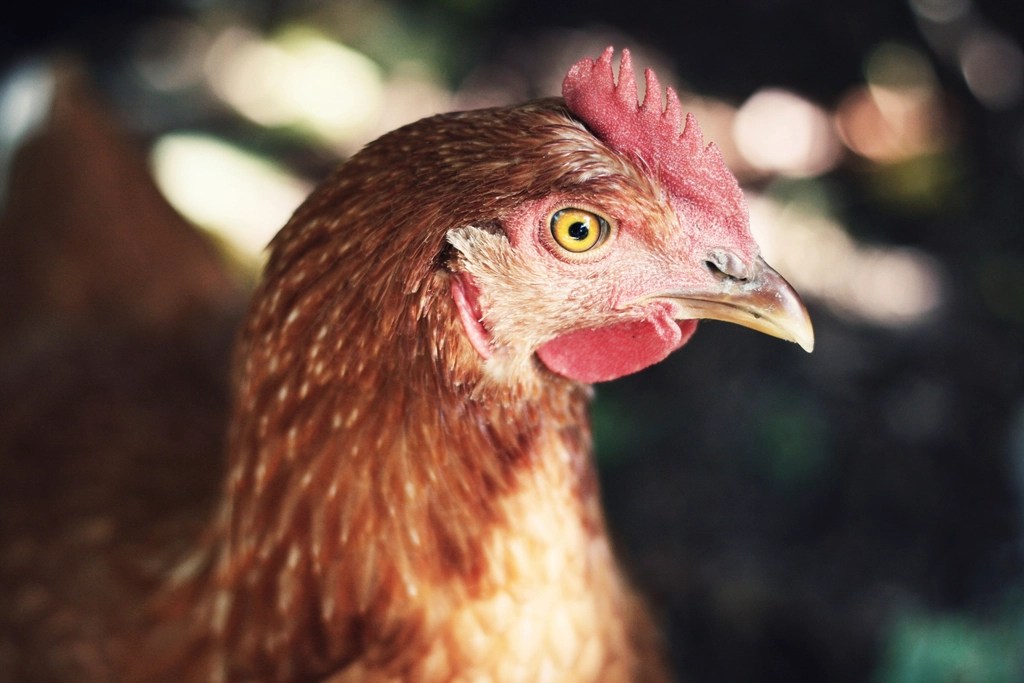
Recently, my wife and I drove past a house way out in the country, where 8 chickens were held in a cage that would be small for one. This was just after learning that the killings in Gaza were continuing under the radar; and Trump had just bombed another 20 fishermen for no reason. And Ms. Good had been murdered.
Our efforts to save the chickens became a surrogate attempt to put an end to all that pain and sorrow. In other words, it was futile. We could do nothing but contemplate a midnight raid, which would have caused the poor, ignorant woman in the shack to lose her mind. Because in some strange way she loved the chickens, or thought she did, and had raised them from eggs, she said. And there was nothing the sheriff or the animal welfare department could do under current laws; and we had no place to bring the chickens even if we stole them.
And after contemplating the possibility of losing my mind over an issue that was so small in comparison to what is happening in the broader world, I had to accept the pain. I had to admit that there is no possibility of separating the pain of life from the love of life. And that we live in a world that must always teeter between hell and heaven. And that we have to find a way to move through this border land without sinking into pits of despair or indulging in a transcendence too high for our tears to reach the earth.
I can’t come to terms with it except to say it as if for the moment I understood. Because I think it’s a kind of native human intelligence. Native animal and plant intelligence. And by various methods we’ve been mostly trained out of it.
So, I’m inclined to chant what I’ve mostly forgotten, but which my cat knows, even if it’s blatantly and non-ironically melodramatic:
But my cat accepts the pain with the pleasure without fussing over it as if it shouldn’t be true. In fact, I think I’ve been polluting the brain of my cat and dog, by instilling in them unconsciously the same training I absorbed.
Thereby forgetting that planting a garden is mostly killing “weeds.” And taking a walk heedlessly crushes hard-working ants; and breathing creates yet more C02.
Thought and action are two-edged swords.
When the Jains confronted this fact, they attempted to refrain as much as humanly conceivable from acting and thinking. Or, if movement was impossible to avoid, they used extreme measures of caution — wearing a mask to prevent insects from being inhaled, sweeping the earth before each step they took.
But even the actions of refraining or using caution are two-edged swords that sever life from its carefree joy.
Whatever we do, whatever we intend, the perfect peace will be broken. The backswing of moral idealism is puritanical zeal. What is raised by morality is cut down by its own zealotry.
Even the intention to be moderate is an extremist position when the world goes mad. You can’t be moderate about genocide or slavery or climate destruction. Your moderation is the problem.
My cat knows there is no escape from this dilemma. No perfect repose. A tightrope walk from birth to death.
On one extreme, the fascists embrace this as a “fact of life” and indulge in violence without a conscience. But even this stance undermines them. Go ahead, cause mayhem as a declaration of personal freedom from giving a shit about anything. Foreswear human decency once and for all: Claim that the inseparable nature of living and killing frees our conscience from consequence.
But the consequences of this escape from sorrow will still poison your life.
The cat tells me to go to the other extreme and join a monastery. But any attempt to side with “spirit” or “Holiness” as a transcendental escape from the embodied life is also an alienating act, leaving us adrift in a white mirage.
He knows that claws can’t be stopped; can’t be justified; and can’t become an excuse to wallow in the fake empathy of guilt.
What is this strange predicament?
It’s like Arjuna on the battlefield.
He says, this is the inevitable predicament of being an embodied form; having two sides. The beauty of the earth is not damaged by the tiger killing the deer, but it is damaged by not feeling the pain.
It’s damaged by falling into these pools of despair and adding unnecessary suffering to this delicate balance.
My cat’s hero is the tiger, of course. He says the tiger is not causing unnecessary suffering. She doesn’t prolong the deer’s agony. And there is pain in the calm grace of her movement. A moan of suffering as she moves away. But she is not regretting what she has done. She chuffs at her cubs in joy. And she is playful and lets the deer wander past when she is sated. And the deer don’t mind the sated tiger, happy to have survived.
She is the embodiment of perfect balance. She raises no paw in selfish rebellion of her place. She never tears at the fabric of this miraculously balanced world.
I gather, then, that if we surrender to the pain of the wounds we cause, then the anti-bodies of empathy and forgiveness cleanse the wounds with tears.
He tells me not to look for an end to pain. There is, however, an ending to cruelty. And in that difference, the trace of grace is found.
 Negative Geography