Intro:
Anything with the title, “How that Heals the World”, is likely to be read as a spiritual promissory note.
Taken in the context of this inquiry, however, no such positive promise is possible. And yet, the promissory phrase is intentional.
And although it will turn away the more discerning noses of potential readers, the title stands, because it is precisely this misdirection in the word “healing”, which creates the necessary bathos or humorous fall in expectations, which unlocks the meaning of the essay.
Or, rather, that expectation gets shattered during the course of all these essays; not broken down into the mirror opposite of “healing”, which would merely be a competing concept, such as “harming”. But it shatters my own bloated and self-important understanding of what it means to heal. And this turns the essay itself into a kind of medicine. (At least for me).
This Reversal of Expectations Requires a Good Soaking in Bathos
I use the word “bathos” even though it’s uncommon enough to require a definition. But a long definition will miss the Point. The Point needs to be sharpened into a singular sound.
Bathos: “an abrupt, often unintended, and ludicrous descent from a lofty, serious, or emotional tone to the commonplace or trivial. It functions as a form of unintentional anticlimax, frequently producing a comical or disappointing effect.” (Merriam Webster)
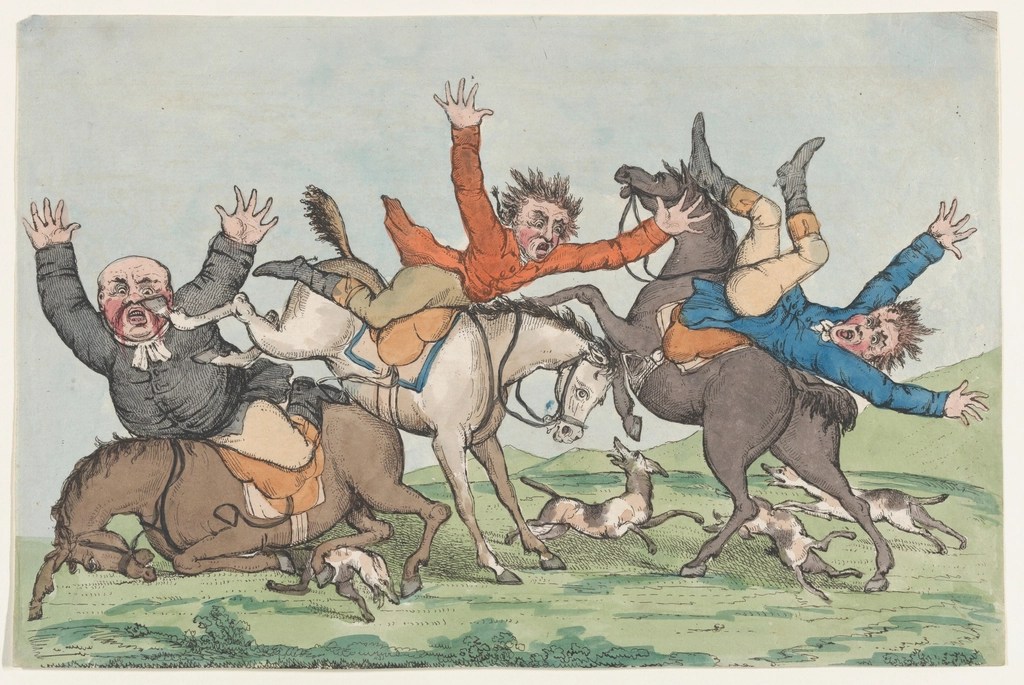
“Bathos”: The sound falls off the tongue as if from lofty literary heights; as if falling from a high horse, and landing with a hard “Baa” that knocks the wind out of the generous reader. And then the echoing thud of “Thosss” immediately follows; which further fades into the soft aftermath of that S stretching into white noise.
And then, the mildly concussed brain flashes with fragmentary allusions to the contradictory nature of this experience. In the one ear, there’s an allusion to the saying, “he sure took a bath on that deal”. In the other ear, I claim to experience the baptism of a new meaning, the splashing S sound washing away the various motes and beams of delusional expectation.
So, the word “healing” in the title was used bathetically, as an intentional misdirection. And also, as a mild reiteration of the more drenching bathos found in the essay posted last week, titled “Original Negative Geography….”
The humor of that essay (and the humorous point of all of them) is functional, not frivolous.
Because, the “solution” or “healing” here only amounts to giving up the search for an anti-dote beyond noticing the absurdity itself. Until this absurdity is met directly as a preposterous fact, we never give up the busy chase; and our brains trip over themselves from morning to night looking for an exit from its own chaotic search for an exit.
Or, as an old Zenn saying has it: It’s as if we’re “riding an ox in search of an ox.”
And I’m still fairly happy with that 2000 essay, because it was genuinely humorous, at least to me. The sentences tripped over the busy feet of the writer’s own hungry ghosts. And the slapstick failures of the writer’s quest were revelations of the very thing he claimed to be seeking, which is an end to the brain’s entangling search for freedom from its own entangled search.
I laughed when I wrote it, because it was a genuine collision with the essence of the problem by lending proprioceptive attention to writing itself.
The wonderful Paul Watzlavick wrote and spoke about the same subject, with the perfectly encapsulating title, “When the Solution is the Problem”. He summarized it like this: “The situation is hopeless, but not serious.” It’s hopeless, because the brain’s busy search will never succeed. But it’s not serious, because the whole problem is too preposterous to not eventually collapse under its own weight.
Our problem at the root doesn’t require a solution or a spiritually melodramatic healing ceremony. It requires hitting the rake-handle of this confusion right in the groin. That’s what being healed feels like from a certain angle of approach.
And I started writing “Negative Geography” as a rake-handle collision in the late 1980s, but the 2000 version was the first one that “landed”. And then it swelled into this website.
Healing
Bathos is that kind of reversal: The two syllables triggering an avalanche if approached from the right direction, with sufficient velocity of interest. In that sound, I hear the disintegration of an imprisoning façade (my own, with all its attached hopes for a ridiculous salvation); because the façade of a Self can’t be healed or saved, but only dissolved. That’s both disappointing and humorously liberating at the same time. A humiliating restoration of self-worth (if the word ‘self’ is used metaphorically).
But if the humor can’t be felt, the insight doesn’t land. They are one and the same thing.
This is why it’s functional humor, not frivolous: It’s the preposterousness of our predicament which generates the necessary astonishment to stop the busy brain short and put the whole brutal drama to rest.
We’re never astonished enough for my liking. Without that eye-opening sense of absurdity, we can’t seem to appreciate the opening of the prison door that our own hopeless, slapstick futility reveals.
In other words, the stupidity of the human drama doesn’t end in fireworks (in war or saviors or political revolutions), but in the ridiculously quiet snuffing of the fuse.
The real meaning of “healing” in the essay is therefore no more an act of heroism or grandiosity than to “fail, fail again, fail better,” as Beckett wrote.
Therefore, the “healing” here is both real and preposterous.
Conclusion
And lastly, I set out to “explain” this form of humor (even though an explanation is not very humorous itself), because I have one last thing I’d like to write before I die, and I’m sort of advertising the channel or frequency of attention you’d need to enjoy such a thing.
I may not live long enough to write such a thing, who knows. But I imagine a series of wildly drifting monologues sparked by re-reading Beckett’s trilogy, “Molloy”, “Malone Dies”, and “The Unnamable”. Because nobody wrote more insightful bathos in my opinion than he did. And I want to wallow in those books one last time.
The first three times I read the series, I was unable to breathe from laughter, and felt my skin pringling with a lack of oxygen, which may have caused lasting brain damage, depending on how you take these essays. The books made me stop hating myself. Because I saw myself bathetically exposed in the text itself, which disarmed the whole farce, leaving my living corpse behind as if I had already died and gone to heaven.
And the experience became the most profound meditation I’d ever had; exposing the tricks of self-hatred and blame to the point where they didn’t work and melted away as nightmares usually do, at least while I was reading the books.
 Negative Geography
[…] any additional solutions (which are inevitably political or social solutions). Because the solution in this case is the problem. The solution of politics is the problem because it always reinforces the illusion of separate […]
LikeLike