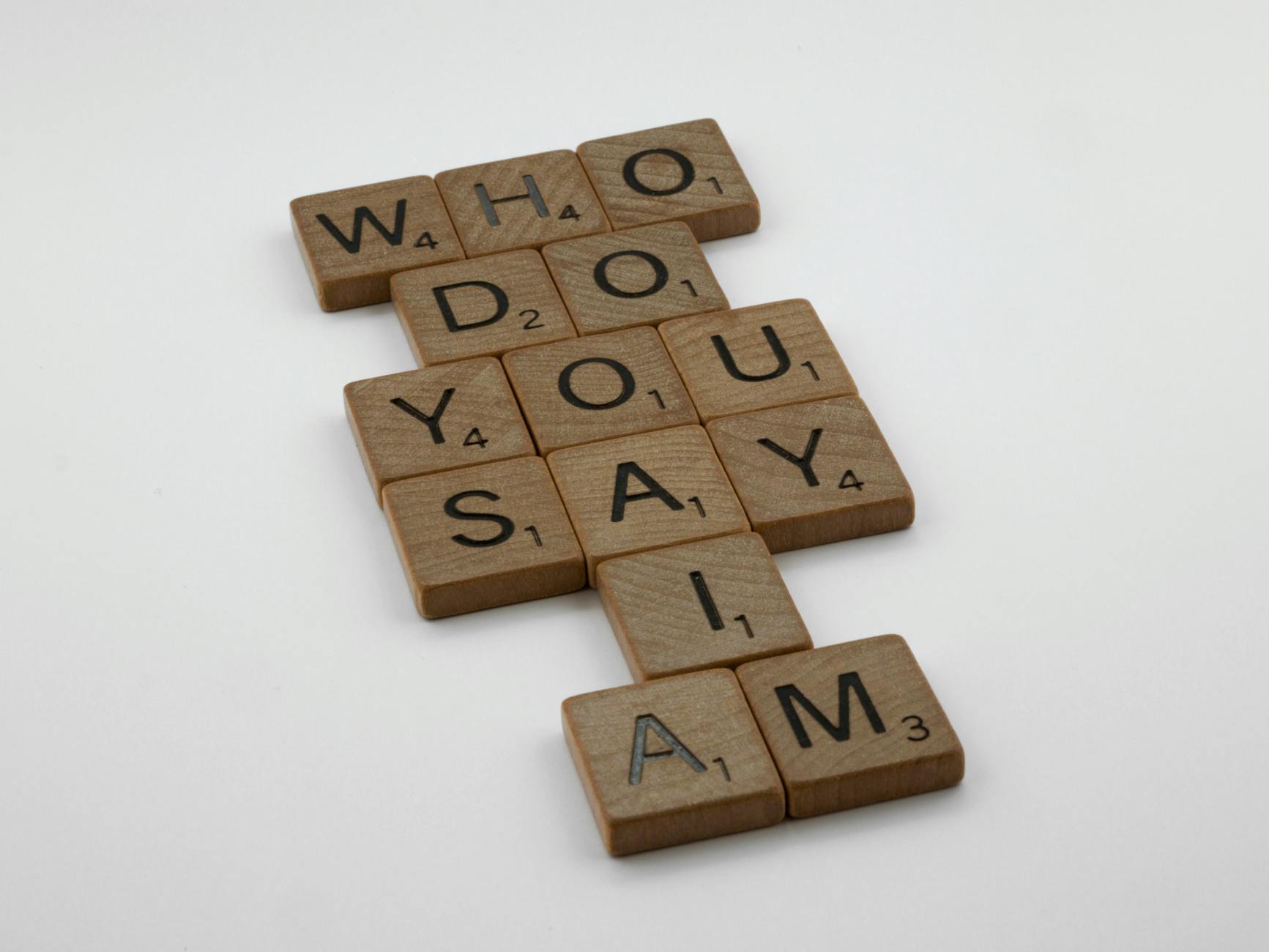
Now, this is a third rail in society, so let me place my metrical feet carefully here.
I think everyone has a right to experiment and poke and prod themselves and change their genders and do whatever they want to their bodies. It’s nobody else’s business.
But the inquiry into Identity is my business, since I’m a human being in the stanchions of various constricting identities like everyone else. And I am also free to wonder about all this, because identity makes everyone a little crazy, as far as I can see. I’d say that a conviction of identity is the root of all war. And there are obsessions that develop, which can even lead to a psychosis where people insist on removing their own healthy arms and legs, because it doesn’t conform to an obsessive picture they hold of themselves. So even the most intense feeling of conviction isn’t proof of a necessity.
And there’s a lot of conflict in our unsettled relationship between mind and body. To me, it feels like a violence or hatred of myself, whenever I force this body to conform to an image or story of who I am; rather than allowing the disjointed image, story and body to accept their unique and contradictory realities and reunite as they are in genuine self-acceptance.
I think human fluidity in every direction is normal, creative and irrepressible. Hence, I claim we are like octopi or squid.
As I said in the main essay, the sense of Self is very convincing, but it’s not true individuality. The “I” is merely a rehearsal of how others should see me. It’s chained to others’ opinions. Whereas, true individuality can never be pinned down in any objective or conclusive sense by anyone else, including myself. This would be like trying to stuff a bear in a parakeet’s cage. We always exceed our own expectations if given half a chance.
But in trying to pin down our identities, all we end up doing is shifting from one combination of socially imposed definitions to another, and then calling that shift from the old prison to the new prison, freedom. I don’t see those shifts as fluidity, but as efforts to cage ourselves for the sake of a false security and fake, conditional love.
Maybe we’re all simply afraid of the loneliness of being truly unique.
If this culture loved its children, it wouldn’t make a problem out of natural human creativity and autonomy. Indigenous cultures have no problem with any of this — they don’t tell others how to live. But our supposedly advanced society prefers human beings made in the images of machines, forced to conform to the rigid 1’s and 0’s of an autocratic morality, with simple, categorical, machine-readable identities. We don’t trust our children to unfold as they will. The society wants consistent shapes that can serve as cogs in the inorganic machine. We are trained to serve the machine, not vice versa.
We don’t trust the unique human form we already are. But the honest human being is beautiful, rebellious and good, no matter how disjointed and out of place this unloving society makes us feel.
Now is the time for this powerful being to overthrow the machine.
Love to you.

 Negative Geography