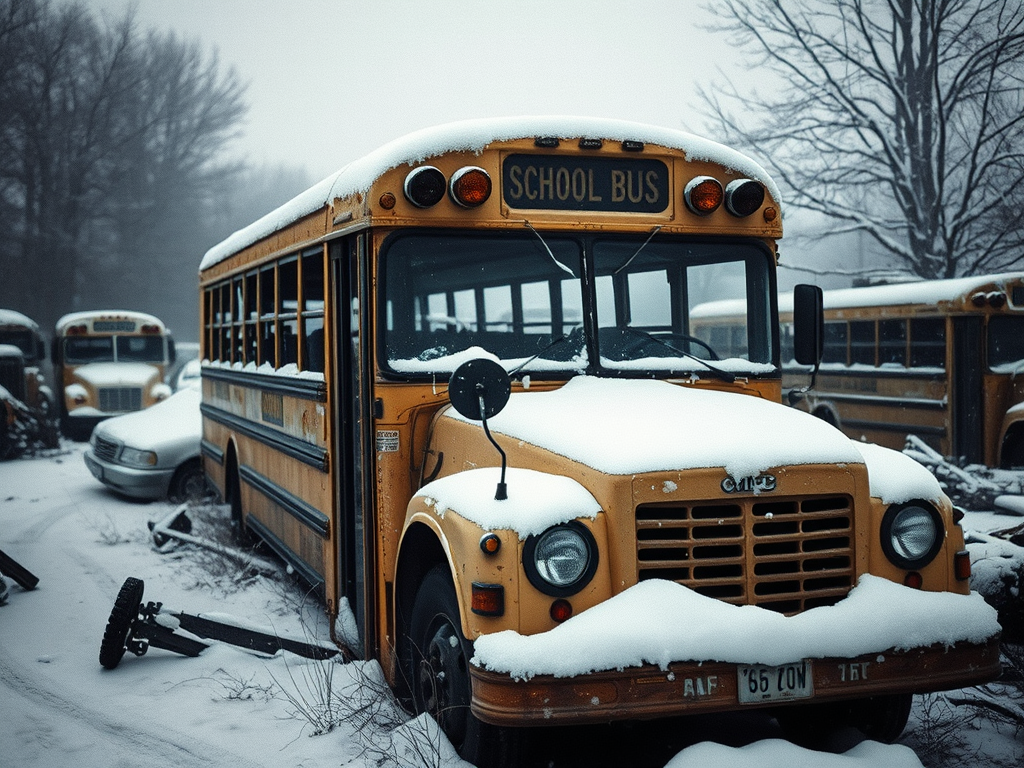
Pharsalia, or Civil War, is also the title of a poem by Lucan, written sometime around the time of Christ — about the civil war between Julius Caesar and the Roman Senate. “All wars are civil wars.” All empires mark our own triumph and defeat. The footprints of all these triumphs and defeats can be seen in the land, in Pharsalia itself.
What I see in Pharsalia is the terminal moraine of a ruinous glacier of hyper-rational thinking that came from Europe. That witchery (as Leslie Marmon Silko uses the word) — that non-sacred vision of reality — has reached its apex and is melting away. It leaves behind a flattened landscape of political and social thought, of spiritual ruin. It becomes evident in places like Pharsalia first.
It’s a place near where I grew up. There’s a melancholy power here. Subdued, ancient, hard, desolate, beautiful. In this beauty there are seeds of renewal that will remove every last trace of witchery from our system. But first one has to appreciate the desolation of the place.
The Royal Elephant carcass of a bus lies mangled
among legions of Fords
and Chevrolets. From shrinking drifts
broken doors and mirrors reach out
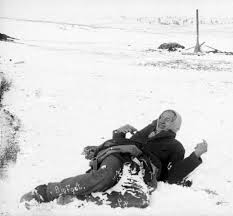
like Chief Bigfoot in Death. All of Pharsalia
melts again into the stone boot-prints
of mile-heavy ice.
Here pool retreating forces.
Their triumph and defeat
merging and disappearing
like ice
in water, like elephant
into earth.
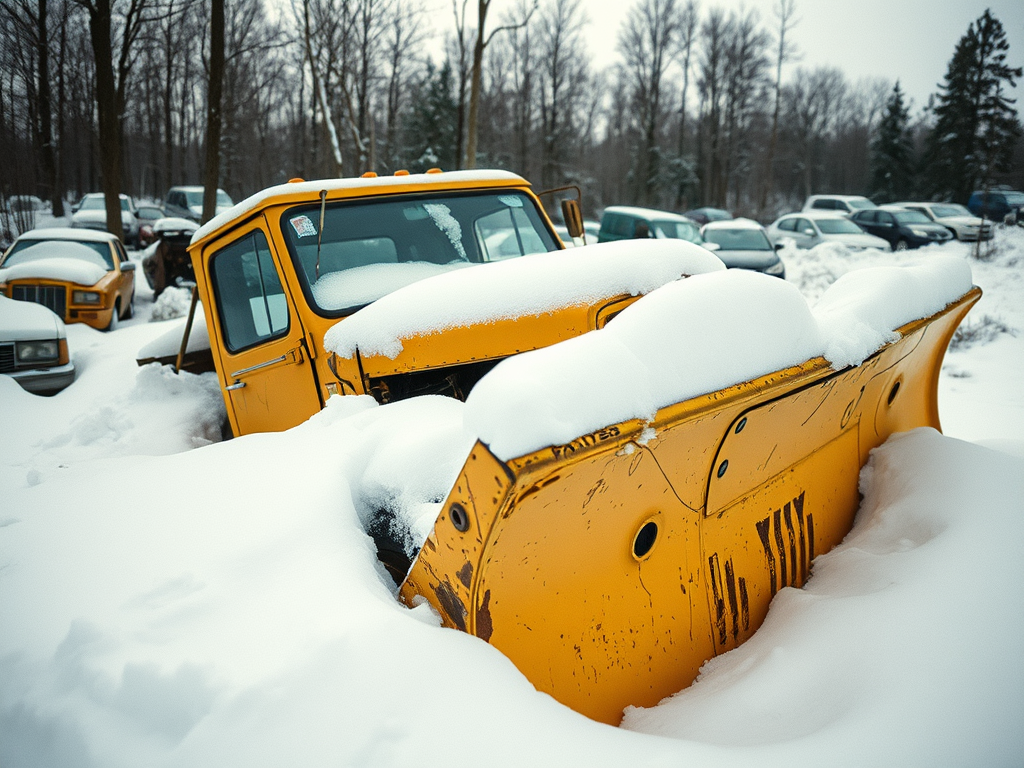
Where Oneida once held
a feather dance, thanking Maples, now
Chevys and great yellow plows,
their wings rusted,
lie buried in snow.
In a paintless church, old
window frames lean
against the sills, thick
with flies, an inch deep, overhead
broken cobwebs swing.
Here and there
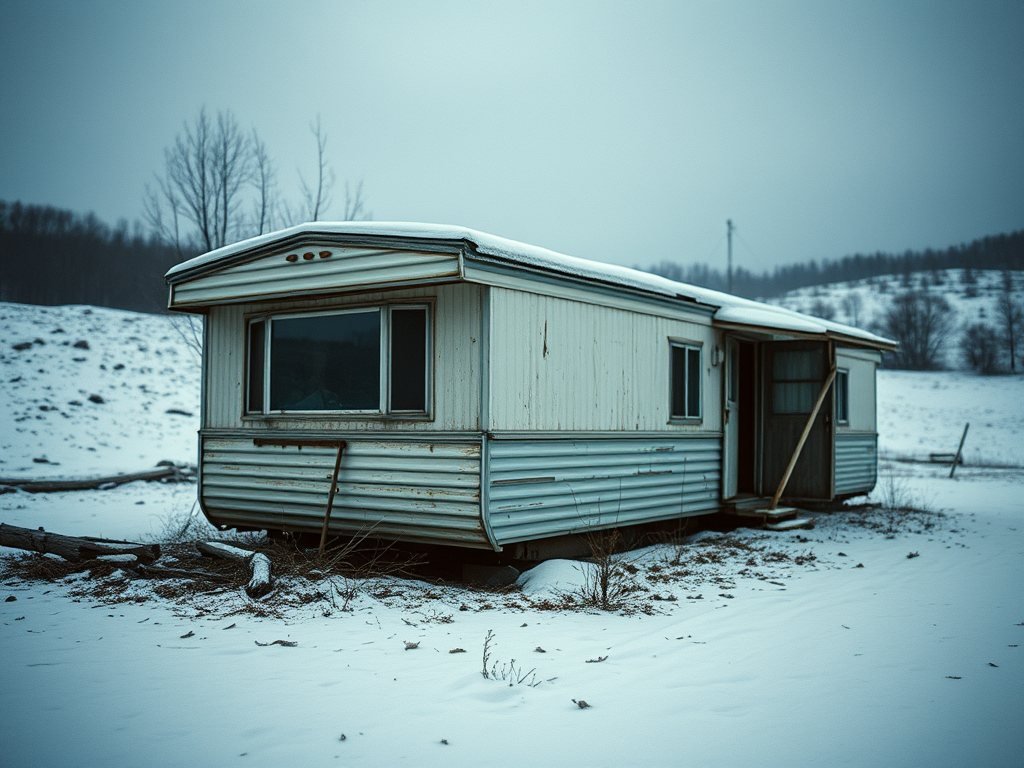
Erratic hunter/gatherers
Slump on sofas
in aluminum encampments
piled along the highway
like a terminal moraine
—
I used AI generated images in place of the actual photos I once used for the poem, much to my own disgust. But I’m not much of a picture taker and was using other people’s photos of the area, and then worried about copyright. So in the meantime I figure, poetry is imaginative. So if I supply imaginary photos and confess to that fact, then perhaps it’s not as unseemly as it still feels. Elsewhere in the essays I don’t have good things to say about AI. But we have to find a way of living in and around this potential monster of a technology. So until I take my own photos, (apart from the old photo of Chief Bigfoot, which is real), I’m leaving these suggestive AI photos. It’s ridiculous, but for now they stay. I’d prefer actual drawings to these things, but I can’t draw.
 Negative Geography