The Two-Edged Sword of Thought and Action; On the Nature of Humor and Sorrow

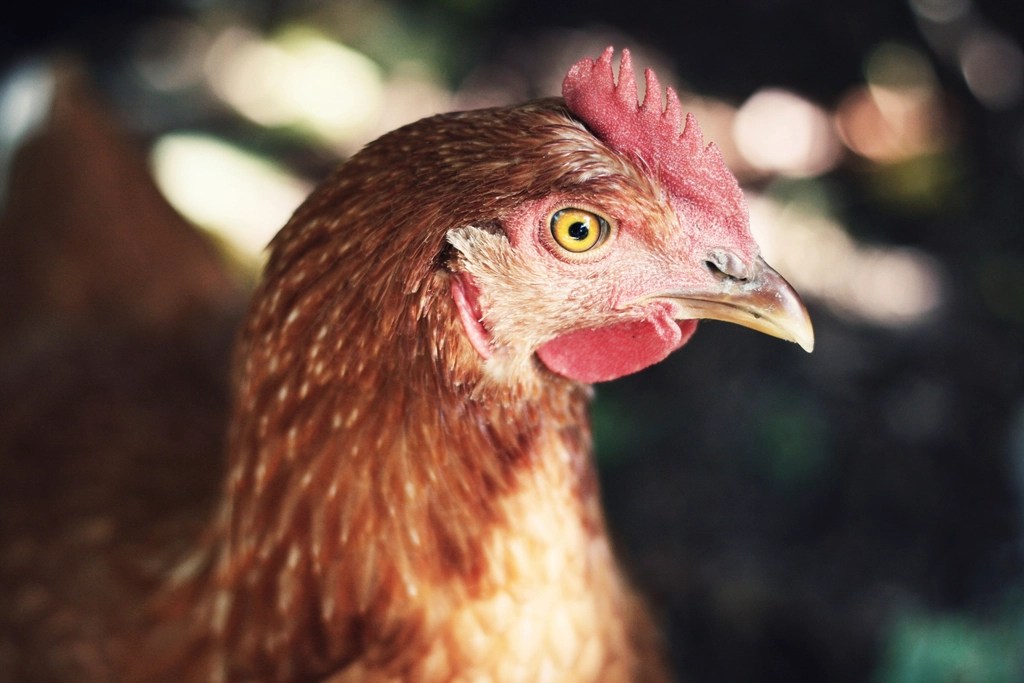
Recently, my wife and I drove past a house way out in the country, where 8 chickens were held in a cage that would be small for one. This was just after learning that the killings in Gaza were continuing under the radar; and Trump had just bombed another 20 fishermen for no reason. And Ms. Good had been murdered.

Our efforts to save the chickens became a surrogate attempt to put an end to all that pain and sorrow. In other words, it was futile. We could do nothing but contemplate a midnight raid, which would have caused the poor, ignorant woman in the shack to lose her mind. Because in some strange way she loved the chickens, or thought she did, and had raised them from eggs, she said. And there was nothing the sheriff or the animal welfare department could do under current laws; and we had no place to bring the chickens even if we stole them.

And after contemplating the possibility of losing my mind over an issue that was so small in comparison to what is happening in the broader world, I had to accept the pain. I had to admit that there is no possibility of separating the pain of life from the love of life. And that we live in a world that must always teeter between hell and heaven. And that we have to find a way to move through this border land without sinking into pits of despair or indulging in a transcendence too high for our tears to reach the earth.

Read More »

Charlie: Reflections on Death, Beauty and Love

“I think I could turn and live awhile with the animals… they are
so placid and self-contained,
I stand and look at them sometimes half the day long.
They do not sweat and whine about their condition….
… … not one is demented with the mania of owning things,
Not one kneels to another nor to his kind that lived thousands of years ago
Not one is respectable or industrious over the whole earth” (Whitman, Leaves of Grass)

charlie deep in garden

Love may be eternal, as the saying goes, but it’s also never more than a series of fleeting encounters. What we hold too long and too close becomes blurry, dissolves into fetish. The objects of our love slip our embraces sooner or later.

Or as the saying goes, what we love, we let go. Living things are constantly going. The animal body moves, it breathes, pumps, circulates and leaves only a trace that fades and disperses.

Even the atoms of our bodies are constantly being replaced.

The person we love is a dispersing form. Or, rather, a shape discernable in the gathering and dispersing of material.

I’m watching suspended motes of dust slowly circulating through the room. If this dust formed an intelligent pattern in passing, if the shape of a person could be discerned in the circulating motes, would this suggest a presence beyond the dust itself? Would we intuit the impression of a soul, because something more than matter alone is at work here? Something that gathers and disperses, an immaterial attractor revealed in the passing shape of matter?

But to attribute this “soul” to something utterly non-material and separate from the body does great harm to our understanding of earthly life. It devalues the biology as some “mere” candy wrapper that can be thrown away, almost disparagingly.

The beauty of these paradoxes lies in the cracks that suggest something more. For there is something soulful about an animal body, about the earth itself. And we are too quick to explain it all rationally, materially and mechanically, or leap into a transcendence that betrays our earthly mother.

Rather than inventing some compromise view, I prefer the suspended question, which sees the limits of both and offers no final answer, only a direction of learning. A vision of life that is more than material, and more than non-material. Nothing so black and white. Nor the compromise of gray.  Somehow an embrace of both — a soul that shines as a body, a body that burns with soul.  Read More »