Empire Falls: Footnote to the Essay, “What Is Self-Knowledge?”

“A bitter wind blows through the country
A hard rain falls on the sea
If terror comes without a warning
There must be something we don’t see
What fire begets this fire?
Like torches thrown into the straw
If no one asks, then no one answers
That’s how every empire falls” — John Prine (“That’s How Every Empire Falls”)

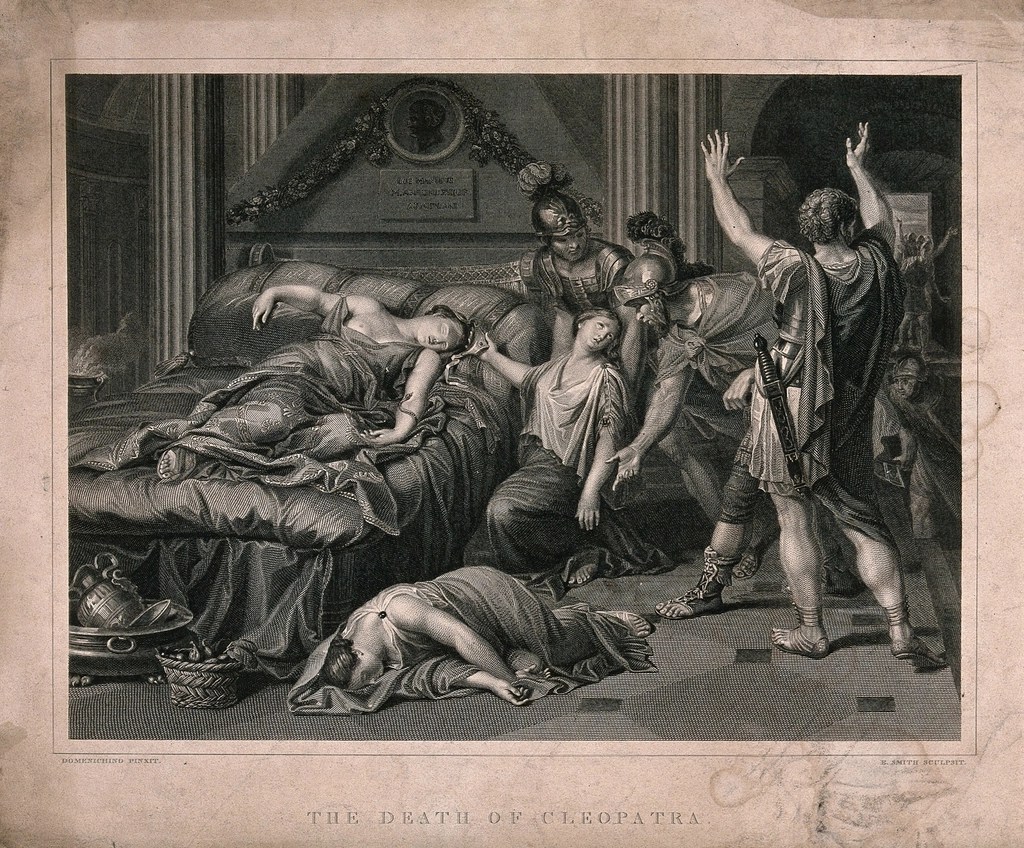
Maybe the scientific revolution (for all its magnificent insights and newfound capacities) re-imagined the human being as a kind of inanimate billiard ball bouncing mechanically along a chain of meaningless cause and effect.

This was the only Grand Narrative that science could offer the individual. A brief, inexplicable eruption from total non-animacy, which ends in non-animacy yet again.

This revolution freed the individual from the biting dogmas of religion, but left the individual feeling like a surplus ball bearing bouncing around in some inexplicable clockwork; which had the effect of leaving the non-scientist (the new lay person) desperate to find purchase in the open-ended abyss of an isolated “me,” which was all that remained in the absence of religion and monarchy (and NO, this is not a lament). But as a result, perhaps the 18th and 19th century citizen (or at least European or American citizen) colonized the world in its need to distract itself from the absence of meaningful identity that the sudden withdrawal of old certainties provoked.

I mean, the 19th century “American” mind was optimistic, because it was experiencing the “singularity” of a logarithmic upswing in personal and national power in the rising tide of colonialism, thanks to genocide and slavery.

As the empire collapses, the urge to regress towards that “old time” faith in kings and gods and tribes grows more desperate, and less euphoric. Hence, there’s a desire to return to the familiar hellscape of genocide and enslavement so as to give those who feel this way a boost of self-esteem.

So, perhaps the “rugged individual”, and the “self-made man” of an eager 19th century America became the resume-building, careerist, self-branding, cynical and self-obsessed tweeting global consumer of today. We’ve all been colonized.

Read More »

What Is Self Knowledge?

Photo by Maksim Goncharenok on Pexels.com

1) Self-knowledge as a positive list of characteristics


How do I know myself?

I begin by knowing myself as an objective list of characteristics: Likes, dislikes, opinions, habits, values, skills, professions, political orientations, and every other quality imaginable.

I also know myself reluctantly as a list of shadow characteristics, which others often perceive first: impatience, clumsiness, self-obsessions, talking to myself even when others are in the room, a hypocritical love of boxing, etc.

There’s a necessity for these differently sourced lists of self-knowledge. If I don’t notice a tendency to be selfish, lazy, thoughtless, you name it, then self-knowledge is distorted in the preservation of an illusion.

In fact, I hear in my own brain (and from what I derive from others’ brains) something similar to government propaganda in the way it defends and justifies itself by referencing selectively edited memories (or fake news), in order to preserve the illusion of a stable and presidential “me” who does no wrong.

If I’m rolling an issue over and over again in my mind (as I tend to do), then some image of myself must have been made to wobble from its pedestal. Even if I’m self-righteously convinced of my own innocence, the emotional and mental energy dedicated to preserving this image indicates a wobble.

The voice is like a press-secretary and press corps rolled into one. And I hardly notice the exhaustion this causes, because it’s standard practice in this culture: conversing with non-existent people in order to convince imaginary people that this list of qualities remains accurate and impeccable.

Or, call it an effective air-defense system that shoots down any speck of honest evidence undermining the falsely idealized Self it claims to be.

But now and then some honest revelation hits home despite this diligence. And the accidental surrender to reality generates a soft breeze of sanity, which cleanses the air momentarily from the fumes of bullshit that the brain produced during the course of the day.

But almost immediately I’ll start downplaying the impact of this moment of truth, trying to steady the wobble or clean up the damage to the fallen icon. And I’ll employ a clever tactic to do this — acknowledging a portion of the exposed corruption by saying something like, “I wasn’t being myself” or “that’s not who I really am”.

Read More »

A Ramble on How Too Much Identity and Too Little Self-Knowledge Contributes to our Collective Suicide: Preface to the Essay, “What Is Self-Knowledge?”  

Seen from Mars, it’s as if human beings as a whole don’t care if they themselves survive (or if other species are allowed to live).

Is this mass suicide?

An indifference to our own collective fate is spreading, even among people who are still devoted to their families. The indifference is justified as a form of realism. If we’re heading towards destruction then realism, they say, is accepting our fate (knowing all living things eventually die anyways).

Indifference to life and death itself is being conflated with realism.

And death as a natural completion of a life-cycle is being conflated with a premature murder/suicide of one another and millions of other species.

This isn’t a realistic or mature regard for life and death, but the very attitude of a person who has resigned themselves to giving up on a complete life and committing suicide before maturation. This “realism” is the suicidal impulse itself.

After all, what are the direct means by which we are prematurely killing ourselves? We’re denying the effects of climate change, indulging in fascism and allowing AI to gain total possession of our minds, and suck the marrow out of life itself, to name just three.

These are the self-destructive behaviors of an immature species, an adolescent species, who has set fire to the house, locked itself in its virtual room, and then climbed into bed to watch a movie with the dog. And when a brother bursts into the room, shouting “fire!”, the adolescent mocks him for his overzealous concern, saying, “calm down and be realistic: we’re all going to die eventually anyways.”

Denial, indulgence and apathy are the justifications for what’s happening, not the mature acceptance of life and death. There is a reason why we make a distinction between murder and natural causes.

I believe it is realistic to say that we are killing ourselves and murdering one another.

But it’s not realistic to accept this situation as inevitable.

Therefore, I’d like to suggest that it’s this lack of self-knowledge, this refusal to self-reflect, learn, change and die naturally to who we are, which is the problem. Suicide and murder are not the acceptance of death, but its denial. We would rather be consumed in a fire we started than give up the illusions of ourselves and allow who we thought we were to die naturally.

Read More »

The Two-Edged Sword of Thought and Action; On the Nature of Humor and Sorrow

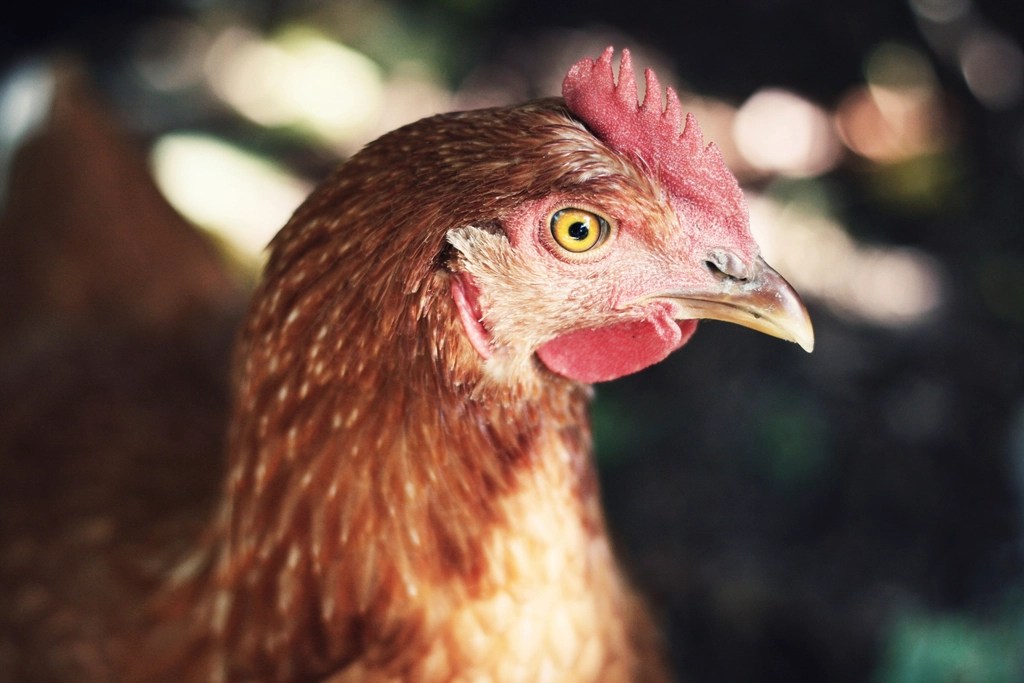
Recently, my wife and I drove past a house way out in the country, where 8 chickens were held in a cage that would be small for one. This was just after learning that the killings in Gaza were continuing under the radar; and Trump had just bombed another 20 fishermen for no reason. And Ms. Good had been murdered.

Our efforts to save the chickens became a surrogate attempt to put an end to all that pain and sorrow. In other words, it was futile. We could do nothing but contemplate a midnight raid, which would have caused the poor, ignorant woman in the shack to lose her mind. Because in some strange way she loved the chickens, or thought she did, and had raised them from eggs, she said. And there was nothing the sheriff or the animal welfare department could do under current laws; and we had no place to bring the chickens even if we stole them.

And after contemplating the possibility of losing my mind over an issue that was so small in comparison to what is happening in the broader world, I had to accept the pain. I had to admit that there is no possibility of separating the pain of life from the love of life. And that we live in a world that must always teeter between hell and heaven. And that we have to find a way to move through this border land without sinking into pits of despair or indulging in a transcendence too high for our tears to reach the earth.

Read More »